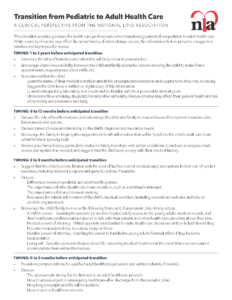


NLA Resources
Knowledge Center
Membership Resources
Join the National Lipid Association, focused on enhancing the science and practice of lipidology to promote optimal cardiometabolic health.
After making your filter selections, please scroll down to see results.
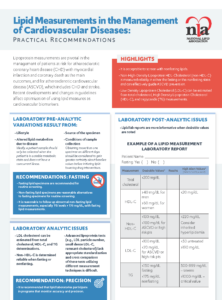
Lipid measurements in the management of cardiovascular diseases: Practical recommendations a scientific statement from the national lipid association writing group
This scientific statement reviews the pre-analytical, analytical, post-analytical, and clinical aspects of lipoprotein measurements.
Lipid Measurements in the Management of Cardiovascular Diseases: Practical Recomendations
Address ASCVD Risk in South Asians Living in the US
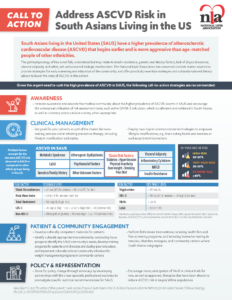
Prevention of atherosclerotic cardiovascular disease in South Asians in the US: A clinical perspective from the National Lipid Association
South Asians living in the US (SAUS) have a higher prevalence of atherosclerotic cardiovascular disease (ASCVD) that begins earlier and is more aggressive than age-matched…
S2E2: CAC Scoring: A Discussion on the Recent NLA Scientific Statement
Dr. Alan Brown sits down with Dr. Carl Orringer and Dr. Michael Blaha to take a deeper look at the recent NLA scientific statement on…

The National Lipid Association scientific statement on coronary artery calcium (CAC) scoring to guide preventive strategies for ASCVD risk reduction
An Expert Panel of the National Lipid Association reviewed the evidence related to the use of coronary artery calcium (CAC) scoring in clinical practice for…
Genetic testing in dyslipidemia: A scientific statement from the National Lipid Association
There is clinical utility of genetic testing for familial hypercholesterolemia, familial chylomicronemia syndrome, sitosterolemia, lysosomal acid lipase deficiency, and a few other rare disorders, and…
Transition from Pediatric to Adult Health Care