

Cardiovascular disease (CVD) remains the leading cause of death for women in the United States.(1) Unique factors affecting a woman’s health contribute significantly to CVD risk, but historically were not always represented in major guidelines. Some of these factors include hormonal changes, the presence of gender-specific risk factors and comorbidities more frequently seen in women (e.g. rheumatoid arthritis and systemic lupus erythematosus). Although women typically present with heart disease later in life, they have a longer life expectancy, leaving a greater lifetime risk for CVD.(1) This provides a great opportunity for prevention if risk is recognized early with the correct risk algorithms and preventive measures specific to the different phases of a woman’s lifetime. In this review, we intend to highlight the recent 2018 ACC/AHA Multisociety Guideline on the Management of Blood Cholesterol(2) related to women in comparison to other prior guidelines.
Risk Stratification
The 2018 ACC/AHA Multisociety Guideline, along with the National Lipid Association (NLA) 2015 Recommendations for Patient-Centered Management of Dyslipidemia (Part 2)(1) and professional organizations acknowledge the Pooled Cohort Equations (PCE) as the main tool for estimating a 10-year risk in U.S. adults ages 40 to 79. A limitation of the PCE is that it is not validated in adults > age 79, which is particularly important for risk stratification in women, considering their life expectancy is longer than men’s by approximately 5 years.(3)
To individualize risk, especially for those at borderline or intermediate risk (risk score of 5%-19.9%), “risk-enhancing factors” can be used to further guide decisions.(2) Risk-enhancing factors specific to women include premature menopause (before age 40), complications of pregnancy (hypertension, preeclampsia, gestational diabetes mellitus, small-for-gestational-age infants, preterm deliveries) and chronic inflammatory conditions such as systemic lupus erythematosus or rheumatoid arthritis that disproportionately affect women.
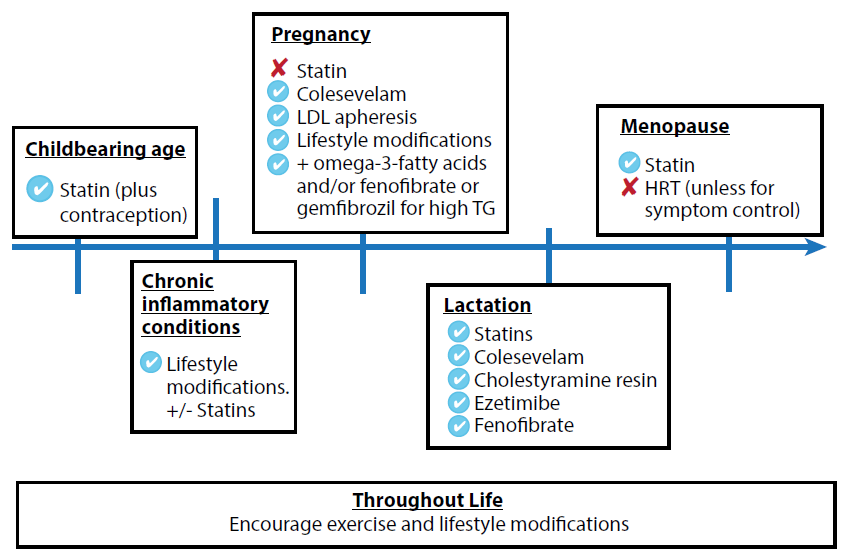
Figure 1. Optimizing Risk over the Course of a Woman’s Lifetime.
The use of a coronary artery calcium (CAC) score can guide statin therapy in the intermediate risk group (score of ≥ 7.5%-19.9%) and in select borderline risk cases (score of 5%-7.5%) in which treatment remains unclear after consideration of enhancing factors. A patient with a CAC of zero has a low 10-year risk for ASCVD and statin therapy can be withheld, except for those who are current smokers, those with diabetes, those with a strong family history of ASCVD and those with inflammatory conditions such as HIV. As a result, it can potentially downgrade treatment in a patient for whom older age is amongst the few risk factors. A CAC score of ≥100 Agatston units or ≥75th percentile is used to guide statin therapy, because those patients will have a 10-year risk score of ≥ 7.5%.(2)
The NLA 2015 Recommendations recognize the challenges in ASCVD risk assessment, with some experts recommending calculation of a patient’s risk by multiple algorithms.(1) This is supported by prior analyses of calibration and discrimination through large registries showing widely varying underestimation
and overestimation of risk with different risk algorithms. They also emphasize the risk conferred by pregnancy-associated disorders to a woman’s ASCVD risk but add another woman-specific condition to the list: polycystic ovarian syndrome (PCOS). (Table 1) Women with PCOS have an increased risk for metabolic syndrome, diabetes mellitus and pregnancy complications. This risk is acknowledged by the American Association of Endocrinologists (AACE)(4), though the 2018 ACC/AHA Multisociety guidelines do not include PCOS as a risk-enhancer. Although PCOS is not discussed in the 2018 ACC/AHA Multisociety Guideline, most PCOS patients would be captured by the diagnosis of metabolic syndrome. The exact cardiovascular (CV) event risk conveyed by PCOS remains unclear based on current data.
The 2017 AACE recommendation for risk assessment tools include the Reynolds Risk Score and the Framingham Risk Assessment Tool.(4) The AACE guidelines also lists high-density lipoprotein cholesterol (HDL-C) of < 50mg/dL as a marginal risk factor for ASCVD and as an established independent risk factor for ASCVD when it is < 40mg/dL in women. Another independent risk factor is an elevated fasting and/or postprandial triglyceride (TG).
Statin Therapy in Women
Based on a large meta-analysis of data from primary prevention randomized controlled clinical trials (RCTs), the NLA concluded that women and men with comparable ASCVD risk experience similar reductions in events and all-cause mortality when treated with statin therapy, particularly when adjusted for age and comorbidities.(1) They therefore recommend treating women without established ASCVD based on ASCVD risk assessment, with the intensity of the lipid-lowering therapy matching their risk, much is as done with men. For those with known ASCVD, statin therapy is indicated regardless of gender and regardless of an untreated low-density lipoprotein cholesterol (LDL-C) level. Statin therapy in women also is supported by the AACE and the 2018 ACC/AHA Multisociety Guidelines, similar to recommendations for men who are at risk for ASCVD. However, pregnancy and lactation warrant separate considerations that are discussed later in this review.
Non-Statin Lipid-Lowering Agents
There are very few sex-specific recommendations with respect to the use of non-statin therapies in any of the lipid guidelines, mainly because sub-analyses of the larger trials for differences in women tend to be underpowered. The few sex-specific recommendations include the AACE recommendation for the use of niacin in high- and intermediate-risk women when there is low HDL or elevated non-HDL.(4) This is added before and after LDL-C goal is reached in those at high and intermediate risk, respectively. Based on recent negative trials in which niacin was added to statin therapy,(9,10) the other societies do not list specific recommendations for niacin based on sex. There also is an NLA recommendation for the use of bile acid sequestrants
during pregnancy in the setting of severe hypercholesterolemia (see below).
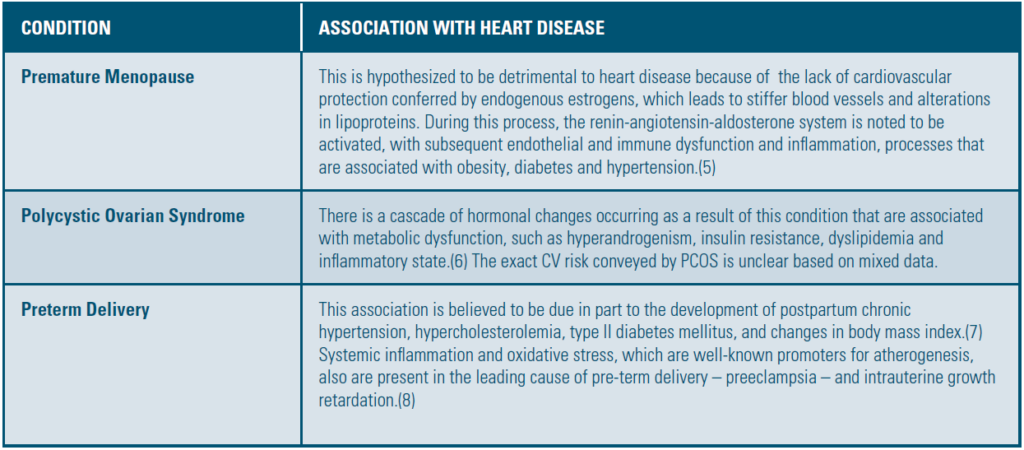
Table 1. Cardiovascular Risk Factors Specific to Women
Adverse Effects of Therapy in Women
The NLA promotes awareness of the different factors that can contribute to adverse effects of statin therapy in women, such as difference in age, comorbidities, BMI, body fat, muscle mass and polypharmacy, leaving them potentially more susceptible to elevated glucose levels and myalgias with statin treatment.(1)
Pregnancy
The 2018 AHA/ACC Multisociety Guideline recommend that women of childbearing age who are on statin therapy and are sexually active should use a reliable form of contraception and, if they become pregnant while on statin, statin use should be stopped as soon as the pregnancy is discovered. If pregnancy is planned, statin therapy is recommended to be stopped one to two months before pregnancy is attempted and not restarted until after pregnancy and breastfeeding are completed. The physiologic effects of pregnancy lead to steady elevations in all lipid parameters, which peak by the third trimester, most notably in triglycerides even in women without underlying lipid disorders. Because of this effect, those with genetic lipid disorders should consider consulting a lipid expert before starting the pregnancy for optimization of lifestyle and disease.(2)
Also, it is worth mentioning that the Food and Drug Administration (FDA) has replaced the ABCDX system of the FDA Pregnancy and Lactation Labeling Rule (PLLR) that requires narrative text to describe risk information, clinical considerations and background data for the drug.(11)
The NLA specifically recommends the use of colesevelam (the only bile acid sequestrant that is categorized as Class B by the former FDA classification) for the treatment of severe dyslipidemias during pregnancy, especially those with familial hypercholesterolemia (FH).(1) Other bile acid sequestrants that can be considered during pregnancy are cholestyramine
resin and colestipol, though they are Class C.(12) The NLA also suggests consideration of LDL apheresis in cases in which LDL-C is markedly elevated. The efficacy and safety of proprotein convertase subtilisin/kexin type 9 (PCSK9) inhibitors has not been determined during pregnancy, therefore, there is no guideline recommendation for their use. However, there are ongoing registries to track the safety of statin use during pregnancy.(13) Ezetimibe has been associated with adverse fetal effects in animal studies, and it is not recommended in pregnancy.(12)
With respect to TG, very high levels (≥ 500 mg/dL) may be treated with diet and lifestyle modifications, with the addition of omega-3-fatty acids and/or fenofibrate or gemfibrozil early in the second trimester but with the understanding that these are Class C medications(1) with limited pregnancy-related data and fibric acid derivatives are associated with adverse fetal effects in animal studies. If omega-3 supplementation is to be considered, prescription medications should be used based on the inconsistent amount of eicosapentaenoic acid (EPA) and docosahexaenoic acid (DHA) noted in over-the-counter supplements and the fact that the supplement market is not well regulated.(14)
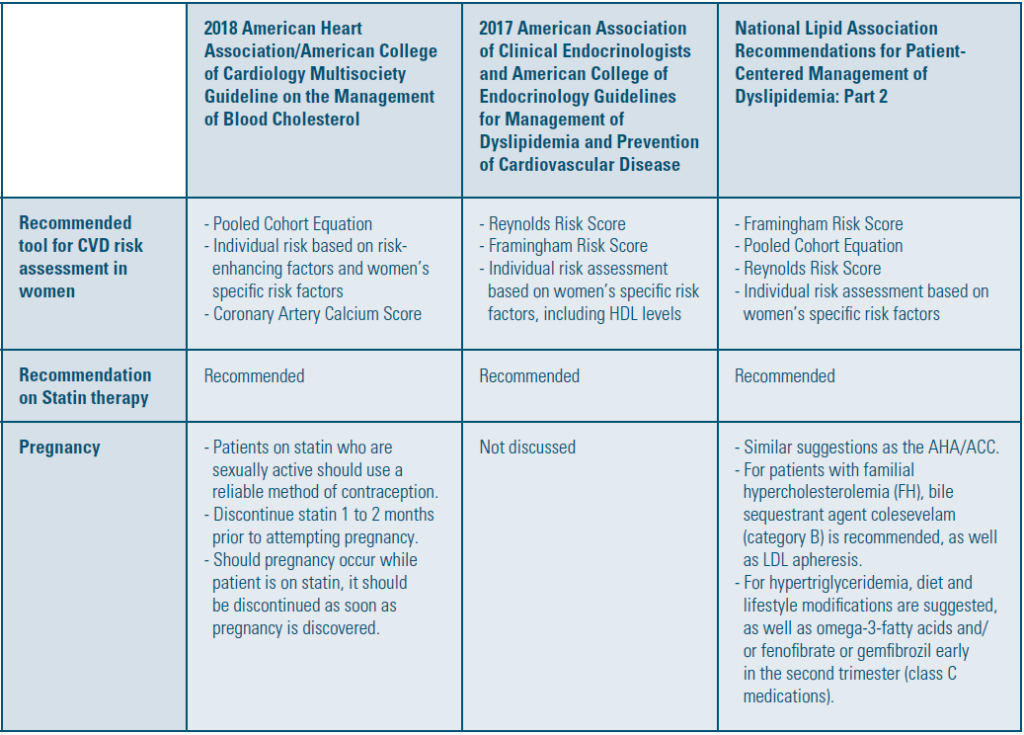
Table 2. Comparison of Various Lipid-Lowering Guidelines for Women.
Menopause
Both the NLA and the AACE note the atherogenic lipid profile seen in menopause secondary to the hormonal changes.(1,4) Hence, it is possible that women with abnormal risk factors will have them worsen during menopause. Based on the AACE data review, emphasis is placed on the relevance of statin therapy for postmenopausal LDL-C reduction.(4) With the use of risk calculators factoring in age, this risk is likely to be appreciated.
Hormone Replacement Therapy and Heart Disease
Both the NLA and the AACE agree that hormone replacement therapy (HRT) should be used to control menopause-related issues that interfere with a woman’s quality of life but should not be given for primary or secondary prevention of CVD, based on data suggesting an increased risk with treatment in those with elevated baseline risk.(15) As studies have shown, higher levels of total cholesterol and TG have been noticed in postmenopausal women, likely because of lower estrogen hormone levels.(16) HRT formulations have been associated with improvement in the lipid profile (increase in HDL-C and decrease in LDL-C and TG) (17). However, as previously stated, the use of HRT for CVD risk reduction is not recommended based on guidelines and should only be considered with an individual risk/benefit assessment depending on the patient’s age at the onset of menopause and her individual cardiovascular risk profile. Hormone replacement therapy is not discussed in the 2018 ACC/AHA Multisociety Guideline as a choice of therapy for CV risk reduction.
Chronic Inflammatory Conditions
In the AHA/ACC guideline, chronic inflammatory disorders such as rheumatoid arthritis, systemic lupus erythematosus and psoriasis are conditions considered to enhance risk for CVD.(2) If, after a trial of 3 to 6 months of lifestyle modifications, a patient with one of these conditions has an ASCVD risk estimate of ≥ 5% over 10 years, initiating a moderate-intensity statin would be reasonable, with important implications in women who are disproportionately affected by these conditions. The increased risk of ASCVD in women with these conditions also is noted in the AACE guidelines, with the addition of ankylosing spondylitis.(4)
Recognizing and Optimizing Risk over the Course of a Woman’s Lifetime
Recognizing the potential for recognition and optimization of risk over the course of a woman’s lifetime, the authors make the following suggestions:
• Encourage a heart-healthy diet and exercise habits starting in childhood, with special attention to the observation that girls tend to be less physically active than boys(18) and experience eating disorders more commonly than boys.(19) Establishing these habits early may impact health years later.
• In child-bearing years, consider treating high-risk women (i.e., familial hypercholesterolemia) who may wish to become pregnant in the future even more aggressively during their “non-pregnancy years,” knowing that they may be off medications entirely for several series of attempts to become pregnant over the years. It has been shown that the years of exposure to elevated lipid levels greatly influences risk; therefore, aggressive treatment with statins as first-line agents in conjunction with lifestyle in high-risk women is imperative. Be certain that the patient understands the risks and has a good method in place to safely avoid pregnancy during these times.
• Consider sex-specific risk factors as well as exposure to radiation, chemotherapy or hormone suppressive drugs that are increasingly prevalent with rates of invasive breast cancer in women reaching 1/8 in the U.S. (about 12%) over the course of a women’s lifetime.(20) Increased CVD prevalence in the breast cancer survivor population is likely partly because of therapies for breast cancer but also from overlapping risk factors between breast cancer and heart disease, such as – but not limited to – family history, race, obesity, tobacco use and age, making it imperative for clinicians to recognize these risk factors for both primary and secondary prevention of each disease.(21)
• Sex-specific questionnaires embedded in the patient intake can assure that these risk factors are recognized.
• Focus on menopause as a time for reassessment of CV risk based on changes in the cardiometabolic profile associated with hormonal change.
• Always use shared decision-making for arriving at an optimal treatment plan.
“Optimal risk stratification and lipid lowering in women with or at risk for established CVD is a key mechanism for physicians to improve cardiovascular risk in women.”
Conclusion
Optimal risk stratification and lipid lowering in women with or at risk for established CVD is a key mechanism for physicians to improve cardiovascular risk in women. The 2018 ACC/AHA Multisociety Guideline, which reflect even more recent data, provide significant guidance specific to women, building even further on established guidelines in this field. Although the guidelines from different societies may differ slightly in their recommendations for women, the larger message is making more clinicians who care for these patients familiar with them to impact a larger at-risk population. Partnerships with obstetrics and gynecology practices can aid in assuring that this becomes part of routine care for the female patient.(22)
Editor’s Note: This Women’s Health article is being re-published due to a photo error in the preceding issue. We thank Dr. De Jesus for her hard work and contribution to our publication.
Disclosure statement: Dr. De Jesus has no financial disclosures to report. Dr. Myerson has received honoraria from Kowa and Medicure. Dr. Gianos has received honoraria from Regeneron.
References
1. Jacobson TA, Maki KC, Orringer CE, et al. National Lipid Association recommendations for patient-centered management of dyslipidemia: Part 2. Journal of Clinical Lipidology. 2015;9(6),S1-S122.e1.
2. Grundy SM, Stone NJ, Bailey AL, et al. 2018 AHA/ACC/AACVPR/AAPA/ABC/ACPM/ADA/AGS/APhA/ASPC/NLA/PCNA Guideline on the Management of Blood Cholesterol. Journal of the American College of Cardiology. Nov 2018,25709; DOI: 10.1016/j.
jacc.2018.11.003.
3. Xu I, Murphy, SL, Kochanek MA, et al. Deaths: Final data for 2016. National Vital Statistics Report 67 (5). Hyattsville, MD: National Center for Health Statistics. 2018. Retrieved from https://www.cdc .gov/nchs/data/nvsr/nvsr67/nvsr67_05.pdf
4. Jellinger PS, Handelsman Y, Rosenblit PD, et al. American Association of Clinical Endocrinologists and American College of Endocrinology guidelines for the management of dyslipidemia and prevention of cardiovascular disease. Endocr Pract. 2017;23:1-87.
5. Muka T, Oliver-Williams C, Kunutsor S, et al. Association of Age at Onset of Menopause and Time Since Onset of Menopause with Cardiovascular Outcomes, Intermediate Vascular Traits, and All-Cause Mortality: A Systematic Review and Meta-analysis. JAMA Cardiol. 2016;7:767-776.
6. Scicchitano P, Dentamaro I, Carbonara R, et al. Cardiovascular Risk in Women with PCOS. Int J EndocrinolMetab. 2012;10(4):611-8. doi: 10.5812/ijem.4020.
7. Tanz LJ, Stuart JJ, Williams PL, et al. Preterm delivery and maternal cardiovascular disease in young and middleaged adult women. Circulation. 2017;135:578-589.
8. Robbins CL, Hutchings Y, Dietz PM, et al. History of preterm birth and subsequent cardiovascular disease: a systematic review. Am J Obs Gynecol. 2014;210(4):2-23. doi: 10.1016/j.ajog.2013.09.020. History
9. AIM-HIGH Investigators. Niacin in patients with low HDL cholesterol levels receiving intensive statin therapy. N Engl J Med. 2011;365:2255-2267. doi: 10.1056/NEJMoa1107579.
10. HPS2-THRIVE Collaborative Group HPS2-THRIVE randomized placebo-controlled trial in 25,673 high-risk patients of ER
niacin/laropiprant: trial design, pre-specified muscle and liver outcomes, and reasons for stopping study treatment. Eur Heart J. 2013;34:1279-1291. doi: 10.1093/eurheartj/eht055.
11. Brucker MC, King TL. The 2015 US Food and Drug Administration Pregnancy and Lactation La- beling Rule. J Midwifery Women’s Health. 2017;62: 308-16.
12. Halpern DG, Weinberg CR, Pinnelas R, et al. Use of Medication for Cardiovascular Disease During Pregnancy. Journal of the American College of Cardiology. Feb 2019;73 (4) 457-476. DOI: 10.1016/j. jacc.2018.10.075.
13. Evolocumab Pregnancy Exposure Registry full-text view – ClinicalTrials.gov, clinicaltrials.gov/ct2/show/NCT02957604.
14. The Journal of Clinical Endocrinology & Metabolism. 1 Sept 2012; 97(9)2969-2989.
15. Stefanick ML, Cochrane BB, Hsia J, et al. The Women’s Health Initiative postmenopausal hormone trials: overview and baseline characteristics of participants. Annals of Epidemiology. 2003;13(9 Suppl):S78-86. Epub 2003/10/25.
16. Yeasmin, Nahid & Akhter, Qazi & Mahmuda, Sayeeda & Nahar, Sharmin & Rabbani, Rukhshana & Hasan, Mahmudul & Salehin, Masood. (2017). Effect of Estrogen on Serum Total Cholesterol and Triglyceride Levels in postmenopausal women. Journal of Dhaka Medical College. 26. 25. 10.3329/jdmc.v26i1.33992.
17. Differences in the different lipid profile and hormone replacement use in Korean postmenopausal women: the Korea National Health and Nutrition Examination Survey (KNHANES) 2010-2012. Arch Gynecol Obstet. 2016;294:165-173. Published online 2015 Dec 19. Doi: 10.1007/s00404-015-3982-9.
18. Telford RM, Telford RD, Olive LS, et al. Why are girls less physically active than boys? Findings from the LOOK longitudinal study. PLoS One. 2016;11:e0150041 10.1371/journal.pone.0150041.
19. Smink FRE, van Hoeken D, Hoek HW. Epidemiology of eating disorders: incidence, prevalence and mortality rates. Curr Psychiatry Rep. 2012;14(4):406-14.
20. “U.S. Breast Cancer Statistics.” Breastcancer.org, www. breastcancer.org/symptoms/understand_bc/statistics.
21. Gulati M, Mulvagh SL. The connection between the breast and heart in a woman: breast cancer and cardiovascular disease. Clin Cardiol. 2018;41:253-257.
22. Brown HL, Warner JJ, Gianos E, et al; American Heart Association and the American College of Obstetricians and Gynecologists. Promoting risk identification and reduction of cardiovascular disease in women through collaboration with obstetricians and gynecologists: a presidential advisory from the American Heart Association and the American College of Obstetricians and Gynecologists. Circulation. 2018;137:e843-e852. doi: 10.1161/CIR.0000000000000582.