




.jpg)
.png)






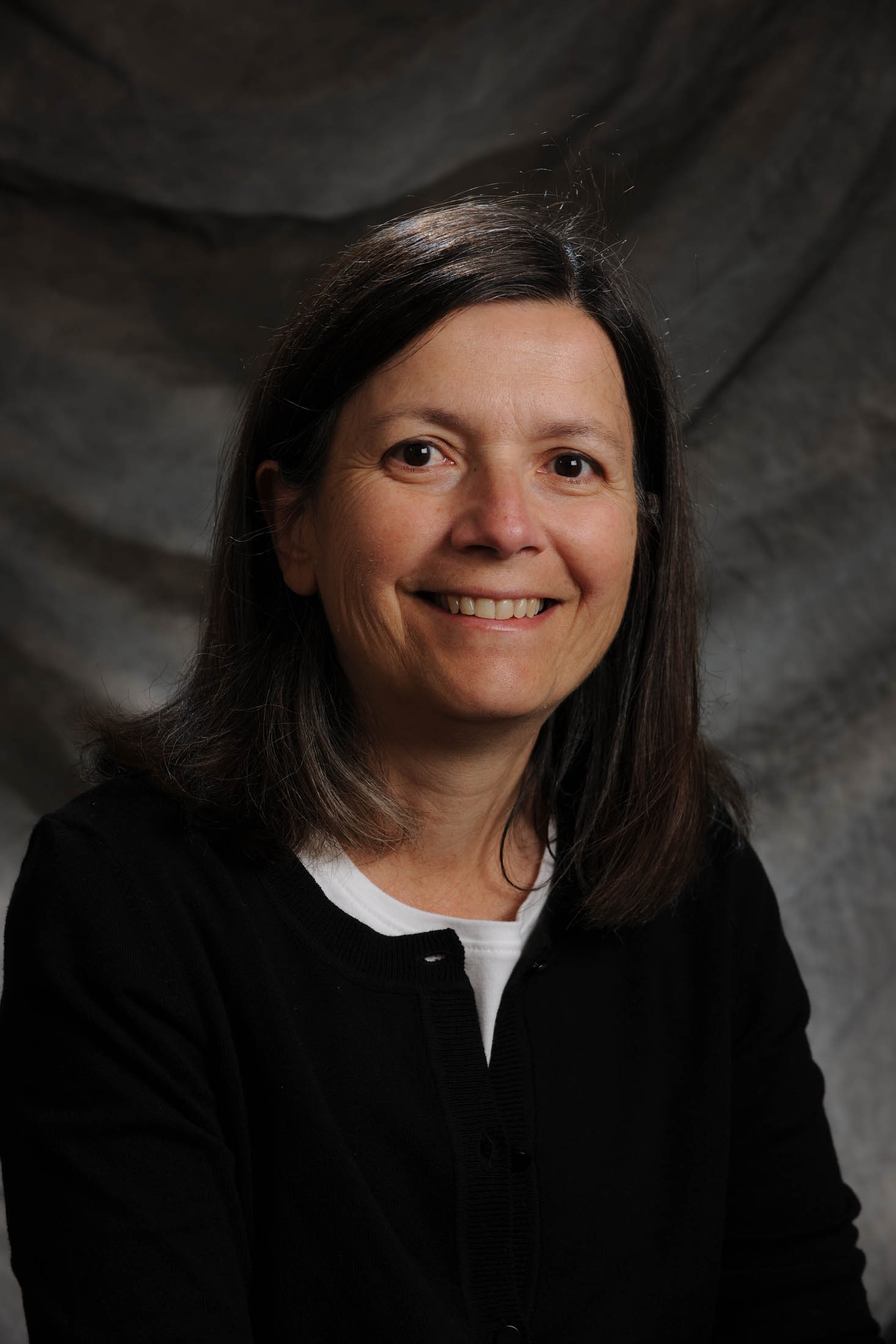
DS: Thank you for joining me today Fran. First, I would like to introduce myself and then you to the LipidSpin readers. I am Dan Soffer, a full-time internist, clinical lipidologist and educator at the University of Pennsylvania. I am also President-Elect of the Northeast Lipid Association (NELA) and co-editor of LipidSpin. I have had the opportunity of working with my guest, Fran Burke, MS, RD, who is a registered dietitian and my good friend, for more than a decade. Fran, I know you don’t love talking about yourself, but could you tell us all a little about you, your career, and as much about your personal life as you’d like to share.
FB: I have been working as a clinical dietitian since 1978, after completing a dietetic internship at Weill Cornell Medical Center. I stayed on to work for more than 12 years at New York Presbyterian Hospital as a senior research dietitian and then as chief clinical dietitian and obtained a master’s degree in Nutrition from New York University while working full-time. One year after relocating to Philadelphia in 1990, I started working at the University of Pennsylvania Health System in the outpatient nutrition counseling center and soon thereafter began working with Dr. Dan Rader as a clinical dietitian and educator specializing in the treatment of cardiovascular nutrition and lipid disorders.
DS: I asked you to do this today because I feel so fortunate to be able to run a lipid clinic with you. As I mentioned, you are a good friend, but I have commented frequently that we are a team, and I include the rest of our staff in that description. I think it is the team that makes our work together so powerful. Can you talk to us about the team, and whether you agree that it is integral to the success of lipid clinic?
FB: As a student of food, nutrition and dietetics back in the ’70s and ’80s, one key concept I remember learning in my clinical coursework was the importance of the multidisciplinary healthcare team. Our lipid program is successful and has grown so much over the years because of our team. That includes our administrative assistant, who helps to gather patient data, and the nurses who input the data and see patients prior to the physician to assess the reason for the visit, changes in health status, medication tolerance and compliance, and who manage much of the between-visit care by telephone. We utilize the radiology team to help us further define a patient’s risk of cardiovascular disease by sending them for coronary artery calcium scans and carotid imaging, often immediately following the physician visit. A sort of one-stop health care encounter. Finally, as a large teaching hospital, we routinely precept students, residents and fellows eager to learn how to effectively treat and manage patients with lipid disorders.
I also work closely with you, Drs. Doug Jacoby, Dan Rader and Archna Bajaj, seeing patients who you believe would benefit from nutrition interventions, which is offered as part of their visit to our lipid program. I assess the patient’s diet and educate them on the current AHA/ACC lifestyle guidelines. I also want to emphasize that my counseling is individualized depending on the patient and their particular lipid disorder.
DS: I have referred to you at different times as a dietitian and as a nutritionist; can you tell us the difference, and whether you have a preference? Are there other distinctions in your field that readers need to know about?
FB: A registered dietitian has to meet certain education and training criteria to sit for the credentialing exam. Before we had the ability to apply for licensure, anyone could “put up a shingle” and call him or herself a nutritionist. So it was important for the patient to understand that the registered dietitian was the nutrition expert. Today, we are licensed in most states and are known as registered dietitian nutritionists or RDNs.
DS: You have been in practice for more than 25 years, so I know you have seen some important dietary trends. Can you speak about some of the major trends in that time period?
FB: There have always been trends in weight-reduction diets, because individuals are always looking for something new in this area. However, in the medical nutrition management of cardiovascular disease, I have always counseled patients to reduce their saturated and trans-fat intake to improve their low-density lipoprotein cholesterol (LDL-C) levels and, thus, risk of disease. In the past, the focus wasn’t always on the replacement calories and patients often would increase their refined carbohydrate intake while decreasing saturated fats. Today, in the context of the obesity epidemic, we now have guidelines that stress the importance of replacing saturated fats with unsaturated fats, and complex (non-refined) carbohydrate-containing foods. Many individuals also recognize that the Mediterranean diet is heart-healthy but fail to appreciate the calorie contribution of olive or canola oil or nuts. They often need to be reminded to control amounts to manage their weight, if overweight or obese.
DS: You and I share the care of a patient this year who is on a self-prescribed ketogenic diet to treat uncomfortable menopause symptoms and who has had a remarkable increase in cholesterol, from ~200 to >400 mg/dL. Despite this apparently unhealthy response, she feels great. Do you have any insight into what aspect of that diet gives such a profound sense of well-being? And can you comment about why her total and LDL-cholesterol increased so much with this diet? Is it the amount of saturated fat? Is it the ketosis (leading to major free fatty acid [FFA] flux to the liver, thus driving synthesis of very low-density lipoprotein [VLDL] and LDL-receptor down-regulation)? Is there some other mechanism or combination of mechanisms?
FB: The ketogenic diet, as you know, is high in fat and protein and low in carbohydrate. Patients strictly adhering to this diet are eating no more than 20 to 50 grams of carbohydrate daily. Because it is so restrictive, many people cannot sustain a ketogenic diet for long. However, our patient finds it so helpful in reducing her “hot flashes” that she has maintained this diet over a period of time. A high-fat diet tends to be more satiating than a high-carbohydrate, low-fat diet because fats get digested more slowly. Also ketosis may suppress appetite in some individuals; certainly as reported by our patient. There is no long-term data looking at the effects of a ketogenic diet on patient outcomes or in patients who have high cholesterol or diabetes. Data on lipoprotein changes with a ketogenic diet are limited and show variable results. Our patient is eating a diet that is high in saturated fat, which is known to increase LDL-cholesterol levels. Also, as you stated in your question, there is a major FFA flux because the body breaks down fat for fuel when carbohydrates are restricted. These FFAs increase hepatic cholesterol synthesis and downregulate LDL receptors. Also, as reviewed by Dr. Greg Pokrywka (in Spring 2016 LipidSpin), when ketone bodies are present in excess, there is increased production of 3-hydroxy-3methyl-glutaryl-CoA (HMG-CoA), which increases cholesterol synthesis.
DS: Are you comfortable with my decision to let her continue this for another one or two years as she gets over the most difficult stages of menopause – her reason for putting herself on this – since we have not found any sign of atherosclerosis on coronary computed tomography (CT) or carotid imaging?
FB: It certainly is difficult to dissuade a patient, especially when they have a score of zero on a coronary calcium scan. I am in full agreement with you on this.
DS: Can you think of other examples in your career of diets that backfired this much?
FB: Certainly, the low-fat, high-carbohydrate diets that worsened the lipid and non-lipid profiles of patients with metabolic syndrome. Back in the day, food manufacturers were marketing fat-free products, such as Snack Well and Entenmann’s cookies, which were high in both refined sugar and calories, as healthy. Many individuals did not understand that fat-free did not mean calorie-free or low in calories.
DS: Contemporary diets now stress the importance of dietary patterns, rather than a focus on macro- and micronutrient composition; is this a big change for you in counseling patients? Or is this similar to the approach you have been following your entire career?
FB: I have been counseling patients on the components of a cardioprotective dietary pattern for many years, so this is not something new to me. Patients should be instructed to follow a dietary pattern that emphasizes fruits, vegetables, whole grains, fish, poultry, beans, nuts and low-fat dairy products, and to decrease saturated fat intake to 5% to 6% of total calories. Foods typically are not eaten in isolation but in combinations, and it is sometimes difficult to assess their separate effects on health. So counseling patients about meal or dietary patterns makes more sense. Dietary patterns can characterize the overall quality and composition of the eating habits of a particular population, such as the Mediterranean-style dietary pattern.
DS: You and I have discussed specific counseling challenges. Of course, hyperchylomicronemia probably is the most onerous diet for the patient, but the benefits are clear, and I guess the biggest challenge for the dietitian is helping them stick with this plan. Can you offer any specific pearls for helping these patients?
FB: The most important dietary strategy for the patient is keeping their total fat intake to less than 15% of calories, which is approximately 30 grams daily based on a 2,000-calorie diet. With the availability of fat-free products today, keeping to this diet is less difficult than it was in the past. We also can recommend the use of medium-chain triglyceride (MCT) oil for individuals who need the extra calories.
DS: Some of the other challenges you and I have discussed are a little more academic, namely, the issue of counseling familial hypercholesterolemia (FH) patients. These patients have pure hypercholesterolemia/high levels of LDL-C, and we all know that LDL-C is particularly sensitive to trans- and saturated fat intake. However, we have both observed that there is very little direct information about the short- and long-term benefits of a specific diet for FH patients. Can you tell us about available guidelines for counseling patients with FH? Do you think it is necessary to do a specific dietary clinical trial with FH patients? And can you add whether this is any different than the dietary pattern recommended for FH patients compared to that recommended for the general public?
FB: I believe that patients with familial hypercholesterolemia, or FH, should be counseled on the same dietary pattern and lifestyle guidelines on which we counsel other patients with high cholesterol levels, because they are at high cardiovascular risk. Although there are no dietary guidelines specific for this population, eating a cardioprotective dietary pattern that is low in both saturated and trans-fat is recommended. Dietary trials can be difficult to do, and I do not believe it is necessary in this case. We have evidence that a poor diet can lead to other cardiovascular risk factors, including obesity, hypertension and insulin resistance, so eating a heart-healthy diet hopefully can minimize these comorbidities.
DS: Is there a diet that can help lower Lp(a)?
FB: Unfortunately, diet has little effect on Lp(a) levels.
DS: I’d like you to address one other patient subtype – individuals with abdominal obesity, metabolic syndrome, with atherogenic dyslipidemia (high triglycerides [TG], low high-density lipoprotein cholesterol [HDL-C], high non-HDL-C, and small dense LDL). Aside from weight loss, do you have any clinical pearls for this patient that every lipid specialist should know? Can you talk about commercial weight-loss strategies (e.g. Weight Watchers or others)?
FB: I always tell the patient, if they have weight to lose, doing so is the single best strategy for reducing triglycerides and increasing HDL-cholesterol. Besides weight loss, exercise also will improve lipid levels. One of the first questions I ask patients is what beverage they routinely drink each day. Many people believe that substituting fruit juice for sugar-sweetened soda is a good thing, but it also is a source of simple sugar. I ask about sports drinks and vitamin water, which contain calories from sugar. Also, brown sugar, raw sugar, honey and agave are all sugars by another name and need to be reduced or avoided in this patient population. Weight loss is difficult to sustain for many people, and structured commercial weight-reduction programs can be helpful. The weekly weigh-ins, supportive meetings, and the individual freedom to calculate allotted daily points have helped to make Weight Watchers a program that I highly recommend.
DS: Fran, thank you for taking the time to do this. Before we close out, can you finish with some comments about the future? I do not know whether clinicians would have expected the present diabesity epidemic one or two generations ago; do you have any insight into national or global trends that may influence nutrition science in the coming generation after you and I have retired from practice?
FB: I now find myself asking patients if they are using coconut oil in cooking, which is something I did not do in the past. Solid coconut oil has found its way to supermarket shelves and has been touted for its weight-loss benefits, among other things. The bottom line is that coconut oil is highly saturated and can adversely affect LDL-C levels. Smoothies also have become very popular as a way of obtaining fruits and vegetables. Individuals are not aware that they likely are getting more calories and sugar with a smoothie than when eating whole fruits or vegetables.
DS: Again, thank you for your time and expertise. I want to repeat the previously expressed sentiment, that clinical lipidology is a team sport and that a qualified dietitian or consultant is integral to make that happen. We are lucky enough to have you present at lipid clinic every day, but most lipid specialists have to “do it yourself” or refer to someone off site, which can affect efficiencies, disrupt the message or even mix the message if the lipid specialist and dietitian are not on the same page. I know how privileged I am to be able to work with you, and I know our patients appreciate this greatly. For more information about finding a registered dietitian or a clinical lipid specialist who can perform dietary counseling, we recommend contacting the Academy of Nutrition and Dietetics’. Find a Registered Dietitian Nutritionist online referral service at http://www.eatright.org/ find-an-expert.: I now find myself asking patients if they are using coconut oil in cooking, which is something I did not do in the past. Solid coconut oil has found its way to supermarket shelves and has been touted for its weight-loss benefits, among other things. The bottom line is that coconut oil is highly saturated and can adversely affect LDL-C levels. Smoothies also have become very popular as a way of obtaining fruits and vegetables. Individuals are not aware that they likely are getting more calories and sugar with a smoothie than when eating whole fruits or vegetables. DS: Again, thank you for your time and expertise. I want to repeat the previously expressed sentiment, that clinical lipidology is a team sport and that a qualified dietitian or consultant is integral to make that happen. We are lucky enough to have you present at lipid clinic every day, but most lipid specialists have to “do it yourself” or refer to someone off site, which can affect efficiencies, disrupt the message or even mix the message if the lipid specialist and dietitian are not on the same page. I know how privileged I am to be able to work with you, and I know our patients appreciate this greatly. For more information about finding a registered dietitian or a clinical lipid specialist who can perform dietary counseling, we recommend contacting the Academy of Nutrition and Dietetics’. Find a Registered Dietitian Nutritionist online referral service at http://www.eatright.org/ find-an-expert.
Disclosure Statement: Fran Burke, MS, RD, has no disclosures to report. Dr. Soffer has received honoraria from Aegerion, Potomac CME, ACP Pier, and MD Consult. He has served as a local subinvestigator.
Article By:
University of Pennsylvania Health System
Preventive Cardiology Radnor and Perelman Center for Advanced Medicine
Philadelphia, PA
Internal Medicine/Clinical Lipidology
University of Pennsylvania Health System
Philadelphia, PA
Diplomate, American Board of Clinical Lipidology