



.jpg)
.png)




Q: How did your career path lead you to the Department of Veterans Affairs, and what does it mean to you to apply your knowledge and experience to the health and well-being of current and former servicemen and women?
A: I was originally part of the faculty at University of Buffalo. Being exposed to the veteran population was extremely interesting in that there are patients with a lot of different disease states. I transferred from the university to the VA as one of their first clinical pharmacists. I have the oldest running lipid clinic within the Department of Veterans Affairs. I started it in 1988, five or six years before the NLA started. The veterans I treat are all around my age, so we all share a lot of similar disease states. Clinical pharmacists have a unique view on things, and that helps bridge gaps in medical views between physicians and patients. It’s important for patients to have a liaison or advocate to help them with medication. A better understanding helps ensure better disease outcomes.
Q: How do you feel that the NLA has helped to advance your career or knowledge of lipidology?
A: One of the things I most appreciate about the organization is the closeness of my NLA family. There is a strong effort to keep people up-to-date with the latest information, including the new guidelines. Keeping current makes you a better practitioner. Q: You’ve been part of the National Lipid Association for nearly 20 years. What initially drew you to the organization, and how has the organization evolved since you first joined? A: I’ve been with the NLA since 2003 in various capacities, from regional representative to board member to chapter president. At the time we started the organization, the guidelines were still under development. One of the things I most appreciated as an allied health professional was that I was readily welcomed into the National Lipid Association. I was part of something that counted, and I felt I could make contributions to the organization. I think the evolution of the organization is focused around the term “community.” Initially, there was a dichotomy of members with particular interests. Now that it’s grown and I’ve grown with it, I feel a sense of community. We are all striving toward the same goal of cardiovascular risk prevention. It was about lipids at first - now it’s about the whole patient.
Q: What role do you feel pharmacology plays in the field of clinical lipidology?
A: It has a lot to do with helping patients stay on drugs, and choosing the right drugs given the complexity of interactions. Clinical pharmacists are part of continuity of care – they help improve patient compliance and keep them taking their medications.
Q: Can you tell us something about yourself most people don’t know?
A: Summer is my favorite time of year. Most people don’t know I’m a passionate gardener. I am very proud of helping put my garden together - making sure my plants are fertilized and that the trinkets compliment the landscape. I have a koi pond and I take good care of that as well.
Q: Tell us about your hobbies outside of work.
A: I’m a golfer, but I also love photography and am a bit of computer geek. I’ve been into photography since I was 10 years old. These days, photography is all about photoshop and digital imaging. It’s nice, but I miss the days of the darkroom. Lately I’ve been helping the membership committee develop podcasts. Being a computer geek, I’m fairly well-versed in that kind of media. I think this will be a good tool for attracting millennials to our organization and what we do. We’re trying to change the face of the NLA. People learn differently now, and we have to cater to that.
Official Publication of the National Lipid Association
Article By:
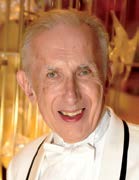
VA Western NY Health Care Center
Buffalo, New York
Diplomate, Accreditation Council for Clinical Lipidology