




.jpg)
.png)





As an intern, in 1972, what I feared most was caring for an acute myocardial infarction (MI). Prior to the coronary care unit (CCU), developed in Kansas in the 1960’s, the mortality of an acute MI was 30% and subsequently dropped to 15% because of effective treatment of arrhythmias. Otherwise treatment was oxygen, morphine, listening to the patient, and providing support for the family. There were no effective diuretics for the treatment of congestive heart failure (CHF), so morphine, oxygen, rotating tourniquets, and phlebotomy were used to lower venous return. By the time I was an intern, to lower myocardial oxygen demand, we used intravenous beta blockers. I suspect most of you are aware of what followed: the use of intravenous and then arterial streptokinase. Now we are fortunate to have developed a whole host of procedures to open the artery and lower the acute MI mortality to less than 5%. However, death from ASCVD remains the leading cause of death in the USA and unfortunately the mortality rate over the past few years is on the rise. In spite of numerous therapeutic advances mortality from CHF remains at 50% in five years.
The 2020 pandemic takes us back to the 50’s when President Eisenhower had an AMI on the golf course, was not hospitalized for three days and spent weeks at bedrest. At this time, treating the coronavirus takes us back to what being a healthcare provider has always done: prevention, support of the patient, and hope for the family. Like the treatment of many other diseases, time will provide a vaccine and cure.
There are parts of the Hippocratic Oath that are relevant to the treatment of all fatal diseases.
I will apply, for the benefit of the sick, all measures [that] are required, avoiding those twin traps of overtreatment and therapeutic nihilism.
I will remember that there is art to medicine as well as science, and that warmth, sympathy, and understanding may outweigh the surgeon’s knife or the chemist’s drug.
I will not be ashamed to say “I know not,” nor will I fail to call in my colleagues when the skills of another are needed for a patient’s recovery.
I will remember that I do not treat a fever chart, a cancerous growth, but a sick human being, whose illness may affect the person’s family and economic stability. My responsibility includes these related problems, if I am to care adequately for the sick.
I will prevent disease whenever I can, for prevention is preferable to cure. If I do not violate this oath, may I enjoy life and art, respected while I live and remembered with affection thereafter.
May I always act so as to preserve the finest traditions of my calling and may I long experience the joy of healing those who seek my help.
Article By:
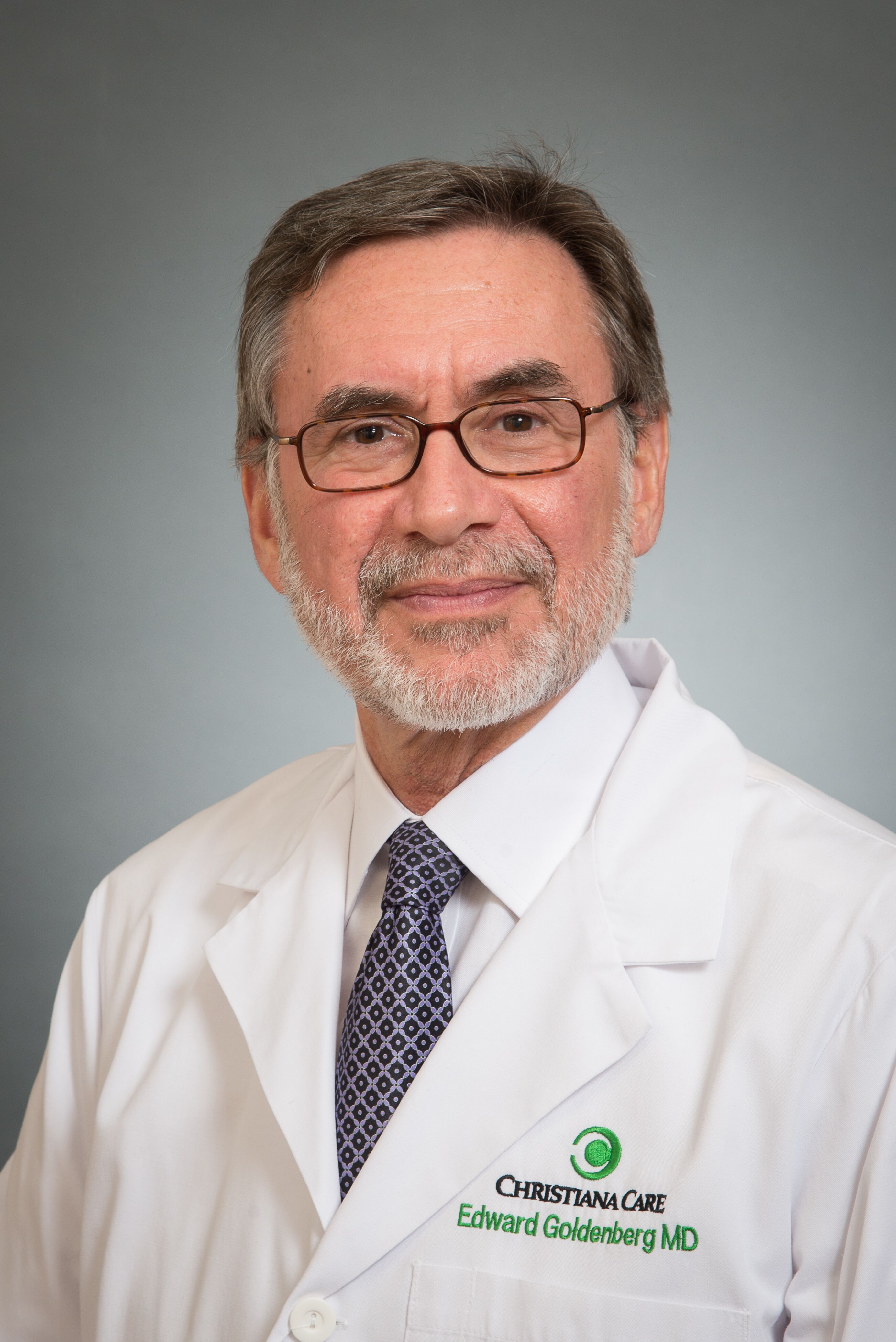
Past President, Northeast Lipid Association
Director, Cardiovascular Prevention
Christiana Care Health System
Newark, DE
Diplomate, American Board of Clinical Lipidology