



.jpg)
.png)





Clinical Question: What are the common hypoglycemic agents that can affect lipid parameters and which parameters are effected?
Article By:
Associate Professor
Department of Clinical Pharmacy
University of Colorado Skaggs School of Pharmacy and Pharmaceutical Sciences
Aurora, CO
Diplomate, Accreditation Council of Clinical Lipidology
As clinical lipidologists, we long have aspired to treat the most common cause of mortality, atherosclerotic cardiovascular disease (ASCVD).
Article By:
Adjunct Professor, Midwestern University
Glendale, AZ
Private Practice
Scottsdale, AZ
Diplomate, American Board of Clinical Lipidology
Since loss-of-function mutations in proprotein convertase subtilisin-kexin type 9 (PCSK9) were found to be associated with reduction in low-density lipoprotein cholesterol levels (LDL-C) and coronary events1, there has been great anticipation of the development of effective therapeutic agents to inhibit PCSK9. Two monoclonal antibodies to PCSK9, alirocumab and evolocumab, became commercially available in the U.S. in summer 2015.
Article By:
Division Chief, Cardiology
Texas Tech University Health Sciences Center
Lubbock, TX
Diplomate, American Board of Clinical Lipidology
It was around 1900 when Rudolf Virchow noted that the artery walls of patients dying of occlusive vascular disease contained a yellowish fatty substance. The word chosen to describe this pathological condition was the Greek word for porridge, atheroma. This material later was identified to be cholesterol.
Article By:
President, Southwest Lipid Association
Associate Medical Director, Disease Management and Adult Primary Care
Colorado Springs Health Partners
Adjunct Associate Professor of Family Medicine and Community Preceptor
University of Colorado, Department of Family Medicine
Colorado Springs, CO
Diplomate, American Board of Clinical Lipidology
“None of us, including me, ever do great things. But we can all do small things, with great love, and together we can do something wonderful.”
– Mother Teresa
Article By:
Scottsdale Cardiovascular Center
Clinical Professor of Medicine, University of Arizona
Scottsdale, AZ
Diplomate, American Board of Clinical Lipidology
The evaluation and management of dyslipidemia has advanced in recent years. Dyslipidemia is one of the major contributors of atherosclerotic cardiovascular disease (ASCVD). According to the Centers for Disease Control and Prevention statistics, about 33.5% of adult Americans have elevated low-density lipoprotein cholesterol (LDL-C).
Article By:

Board-certified in Internal Medicine
Staff internist, Peak Vista Community Health Centers
Medical director, Cardiovascular Risk Clinic PVCHC
Assistant clinical professor, Department of Medicine
University of Colorado School of Medicine
Diplomate, American Board of Clinical Lipidology

Pharmacy director
Peak Vista Community Health Centers
Colorado Springs, CO
Pharmacist
Peak Vista Community Health Centers
Colorado Springs, CO
Pharmacist
Peak Vista Community Health Centers
Colorado Springs, CO
Pharmacist
Peak Vista Community Health Centers
Colorado Springs, CO
Article By:
Co-editor of LipidSpin
Professor, Clinical Pharmacy and Family Medicine
University of Colorado Denver
Anschutz Medical Campus
Aurora, CO
Diplomate, Accreditation Council of Clinical Lipidology
I am humbled to serve as the president of the Southwest Lipid Association. Our territory is large and diverse. Our geography spans from the deep south and the Gulf of Mexico, to the deserts of Arizona and New Mexico, to the Rocky Mountain states. Our members come from many different practice settings, including; solo medical practice sites, VA centers, large academic practices, multi-specialty groups, single specialty groups, and everything in between.
Article By:
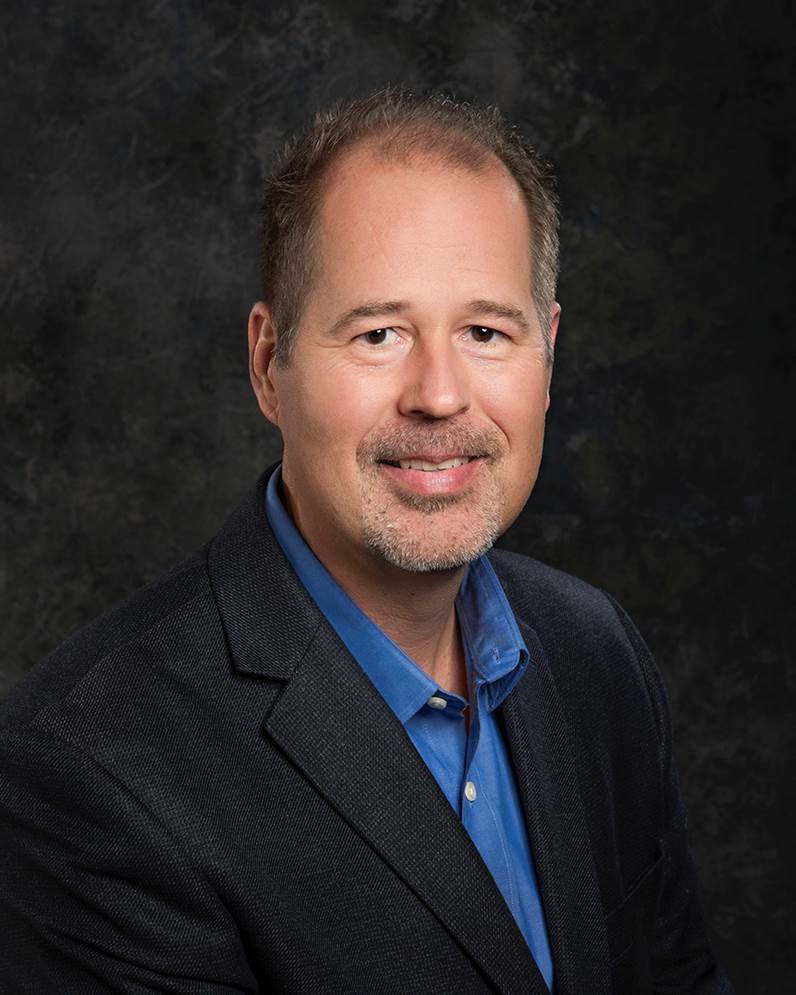
President, Southwest Lipid Association
Associate Medical Director, Disease Management and Adult Primary Care Colorado Springs Health Partners
Adjunct Associate Professor of Family Medicine and Community Preceptor University of Colorado, Department of Family Medicine
Colorado Springs, CO
Diplomate, American Board of Clinical Lipidology
With spring time comes the NLA Annual Sessions and the beginning of a new term for officers and board members. I could not be more excited to serve as president for 2017-2018, and do so with a strong group of dedicated leaders that make the job both productive and enjoyable.
Article By:
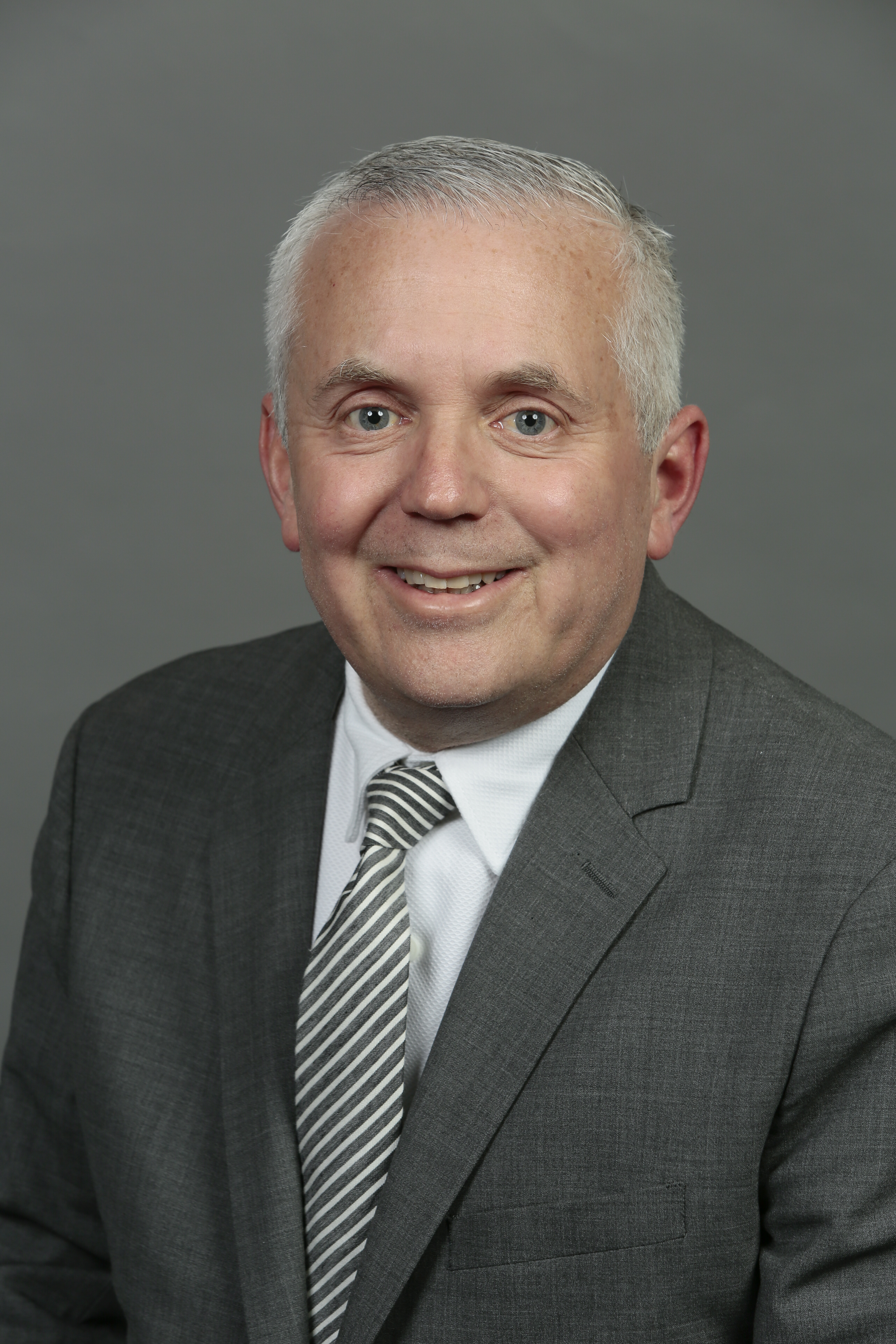
President, National Lipid Association
Clinical Assistant Professor of Medicine
NYU School of Medicine & NYU Center for
Prevention of Cardiovascular Disease
Director, Bellevue Hospital Lipid Clinic
New York, NY
Diplomate, American Board of Clinical Lipidology
As your new president I extend my warm greetings.
Some introductions first. I am a clinical pharmacist working for the Department of Veterans Affairs at Buffalo, New York. My Lipid Clinic Practice is now 29-years-old, and I have been with NELA for over 15 of those years. As part of my clinical practice, I am co-director of the National VA Clinical Pharmacy Task Group for anticoagulation management.